


XVive AT-2 Portable Audio Tester

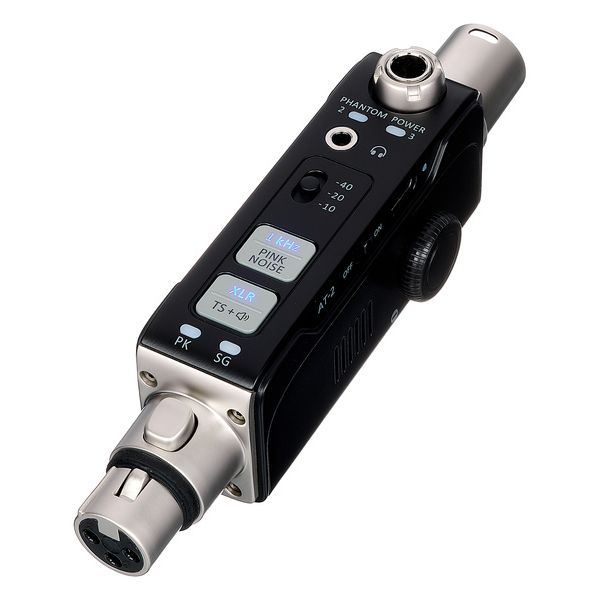
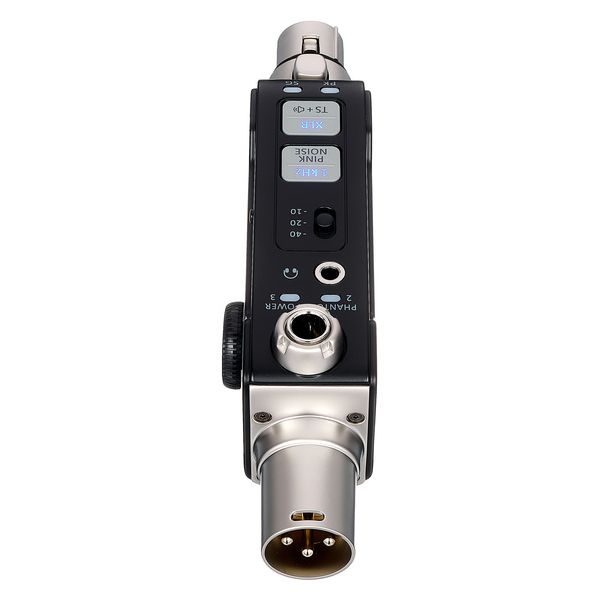
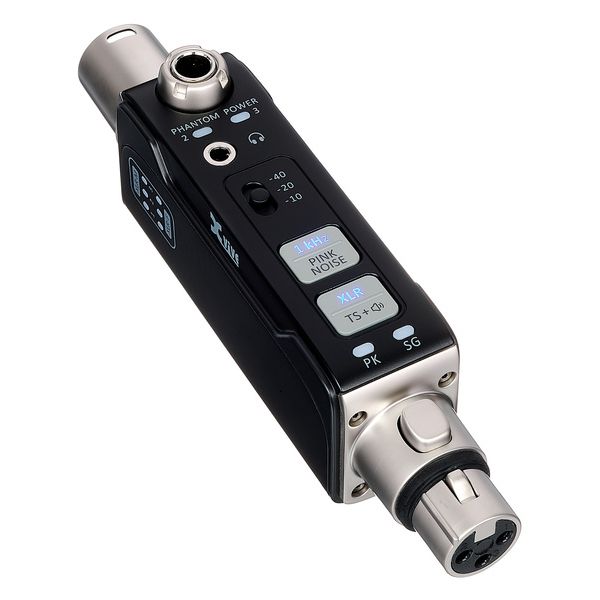
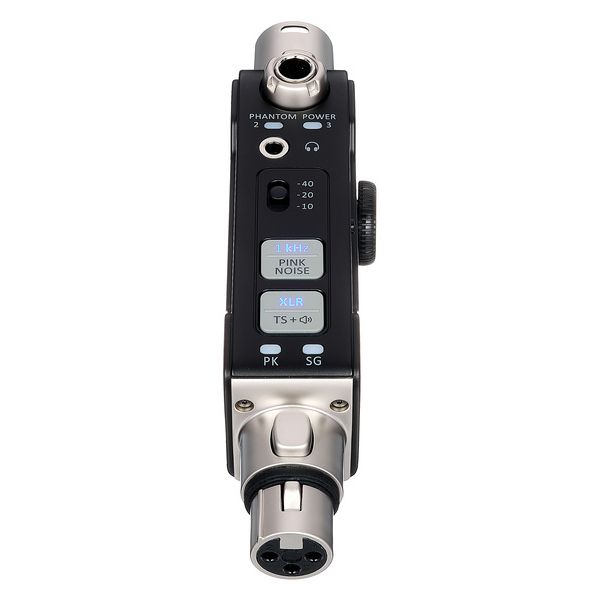
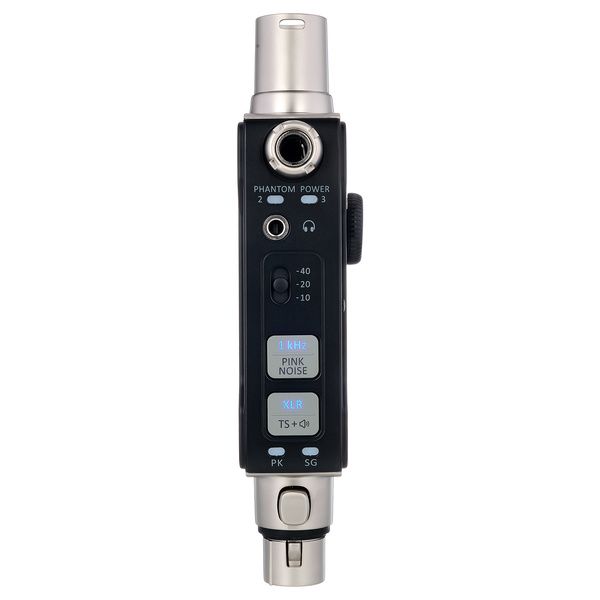
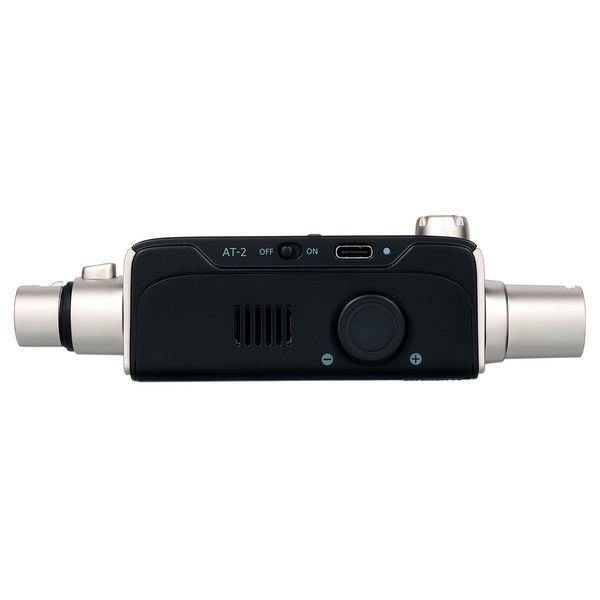
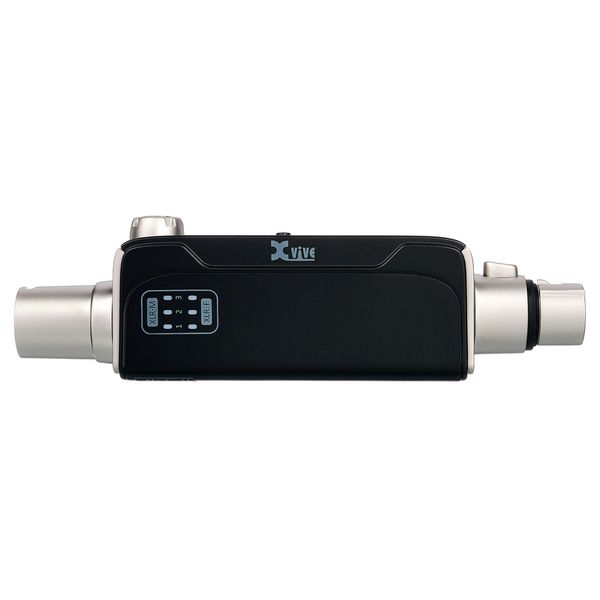


Compact Audio Tester
- Versatile and indispensable testing tool for audio professionals with five main functions
- Suitable for testing PA speakers, effect pedals, cables, DI boxes, IEM systems, mixing consoles and other audio devices
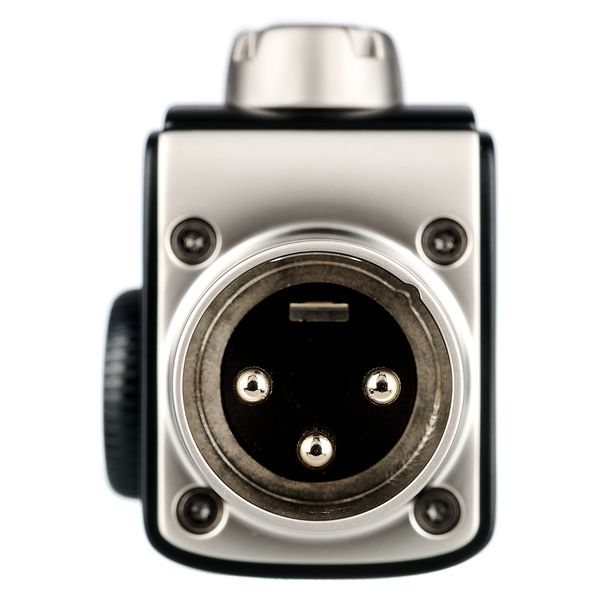
- Signal generator: outputs 1 kHz sine wave signal or pink noise audio signal via the male XLR socket and 6.35 mm / 3.5 mm jack sockets
- Three output level options: -10 dB, -20 dB, -40 dB
- XLR cable tester: checks the proper functioning of all three contacts of an XLR cable with a 3.3 V test voltage
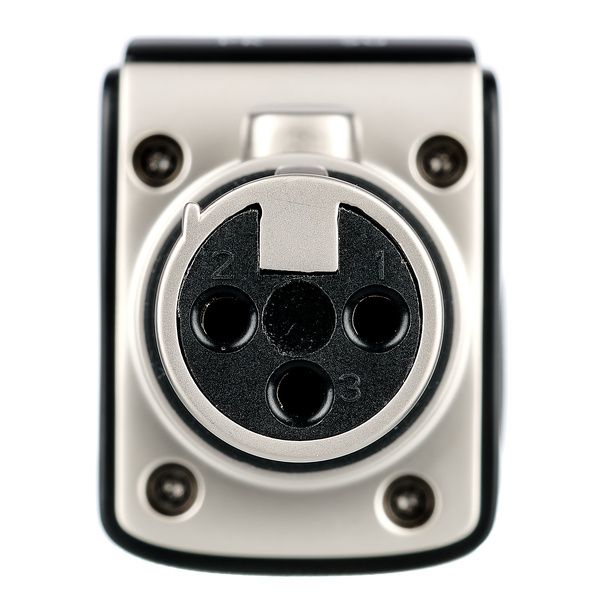
- XLR input measurement: measures input level at the female XLR socket
- -20 dBu - +10 dBu
- Phantom power test: tests phantom voltage and correct functioning of the contacts
- Built-in speakers
- Signal monitoring via headphones or loudspeakers
- Rechargeable lithium battery
- Battery life: approx. 3 hours
- XLr inoput / output
- 3 kOhm input impedance / 350 Ohm output impedance
- 6.35 mm jack input/output, 600 ohm output impedance
- 3.5 mm headphone output
- USB type-C charging port
- Dimensions (L x W x H): 210 x 70 x 110 mm
- Weight: 188 g
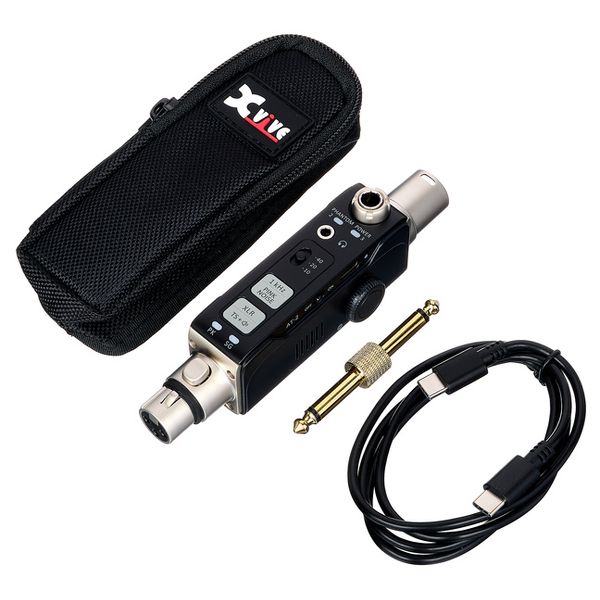
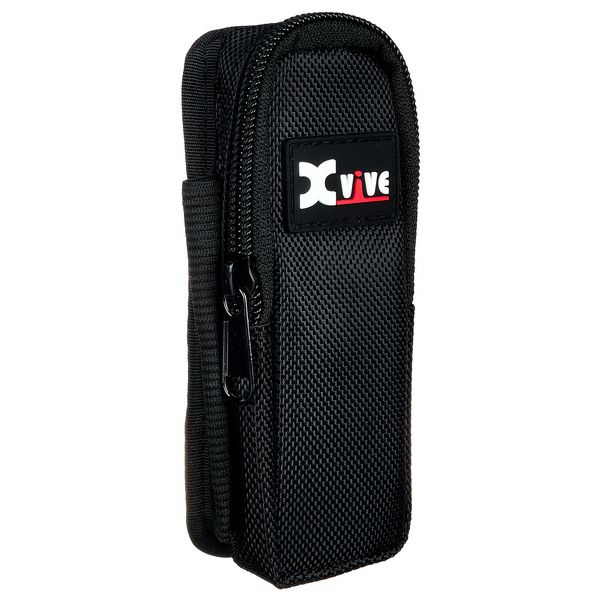
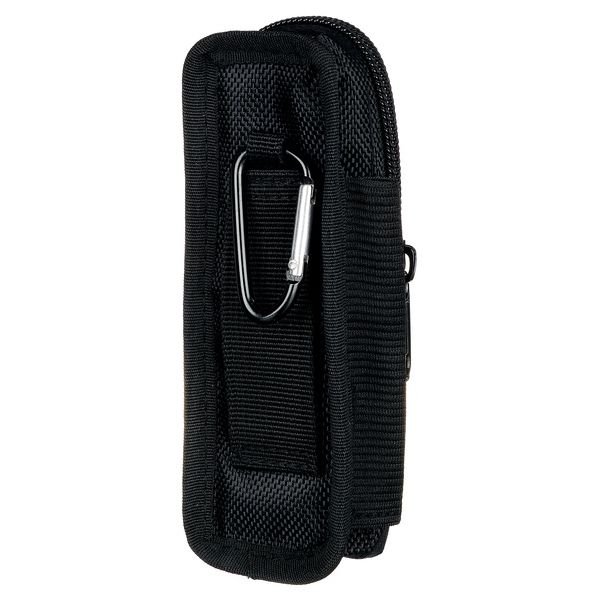
- Includes USB type-C to type-C charging cable, transport bag and 6.35 mm jack adapter
-
Available since January 2026
-
Item number 633801
-
Sales Unit 1 piece(s)
-
Cable Tester Yes
-
Level Meter No
-
Speaker Tester Yes
-
Software No
Test test... One, two, three, four, five!
With five integrated test functions, the Xvive AT-2 helps anyone who uses audio equipment find faults, test signals, and generally make setup easier. The AT-2 can generate a test tone, display input levels, check phantom power (between 24V and 52V), monitor an incoming signal via headphones or the built-in speaker, and test XLR cables. For cable testing, both ends of the cable are simply connected directly to the unit. Pro engineers looking to test permanently installed XLR cables with ends that may be many metres apart might also like to consider the two-part Xvive AT-3. The AT-2 features both XLR input and output connections, a 6.3mm jack socket that serves as both input and output, and a dedicated headphone output. Alongside audio cables, the tool can also be used to check three-pin DMX lines, pedalboards, IEM systems, mixing consoles, and more. A closer look at its functions also quickly shows just how straightforward the Xvive AT-2 is to use.

)
Five times the functions
Using the Xvive AT-2 is simple: Connect the tester, select the required function, then read off or listen to the result. Dedicated LEDs for all three XLR pins make continuity testing quick and easy. The 1kHz test tone and pink noise can be generated at levels of -10dB, -20dB, or -40dB. The signals can be monitored, with adjustable volume, through both the headphone output and the built-in speaker. Incoming signal level at the XLR input is also displayed visually using two LEDs. After up to four hours of operation, the unit can be recharged using the USB-C cable supplied.
)
Cable control in the club
Musicians and DJs setting up before the gig can use the Xvive AT-2 to test XLR cables, pedalboards, and mixers. Live sound technicians and touring engineers can check whether a mixing console is supplying phantom power and whether three-pin DMX cables are functioning correctly, always keeping the tool close at hand in the carry case supplied. Using the 1kHz test tone and pink noise, individual loudspeakers can be addressed one after the other to perfect a venue's sound system. Similarly, anyone running a studio or building a home studio can use the Xvive AT-2 to carry out a range of measurements when tracking down the source of common technical issues. Theatre operators, meanwhile, benefit from the versatility of a tool that can also be used to check three-pin DMX cabling.
)
About Xvive Audio
Xvive Audio officially entered the market in 2012 with its compact U2 wireless guitar system. Since then, the company has also been involved in the development of wireless microphone technology. Its catalogue also includes effects pedals, such as the Signature Series, which were developed in partnership with guitarist Thomas Blug. The products are designed by an American team, based in Pasadena, California, which is composed of musicians and engineers and draws on decades of professional experience. Its lead designer, Howard Davies, was previously employed at Electro Harmonix and Pigtronix, among others. Xvive Audio's goal is to create products that deliver exceptional sound and build quality, while remaining affordable for any musician.
Better to have it than need it – and not have it!
When tuning a PA system, pink noise can help optimise frequency response, where a measurement microphone used alongside a real-time analyser can be a useful addition. During soundcheck, measuring phantom power levels can quickly narrow down the reason why a condenser microphone or active DI box isn't working. Even in an already noisy environment, such as during the concert itself, an audio source can be connected to the XLR input and the LEDs will show at a glance whether a signal is reaching the Xvive AT-2. Conversely, when testing needs to be as discreet as possible, perhaps during a conference or theatre performance, connecting a pair of headphones automatically mutes the AT-2's built-in speaker.