


Kala U-Bass Solid Body 5-Str FL JBK

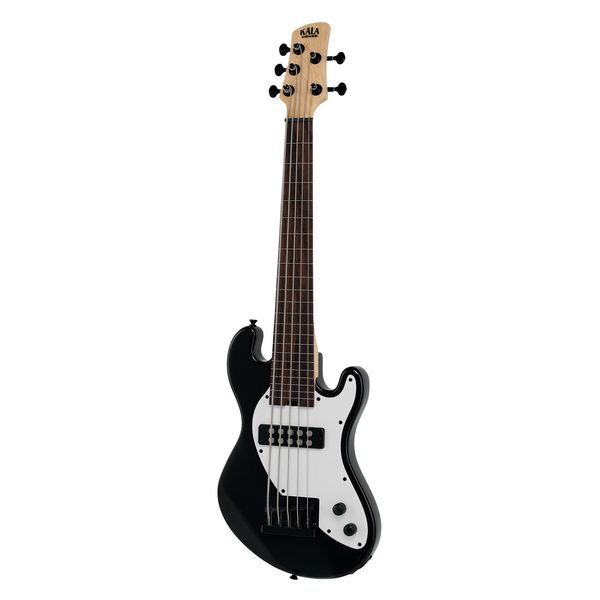
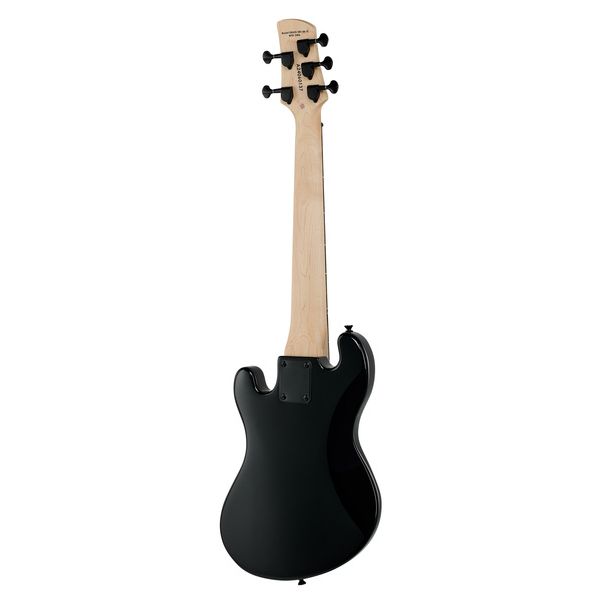
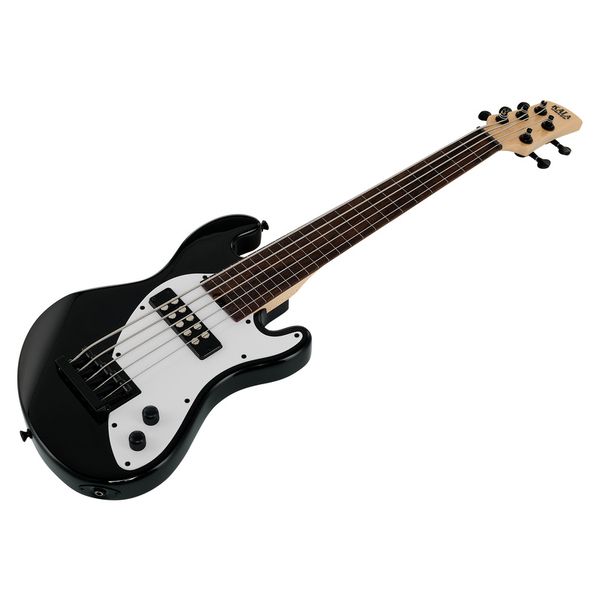
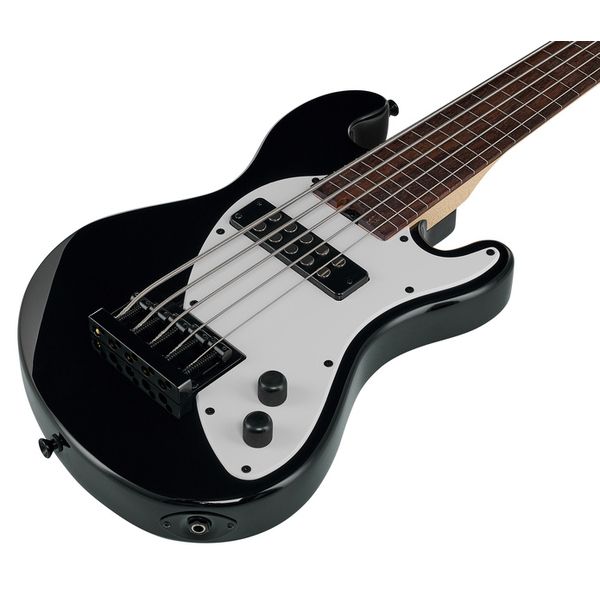
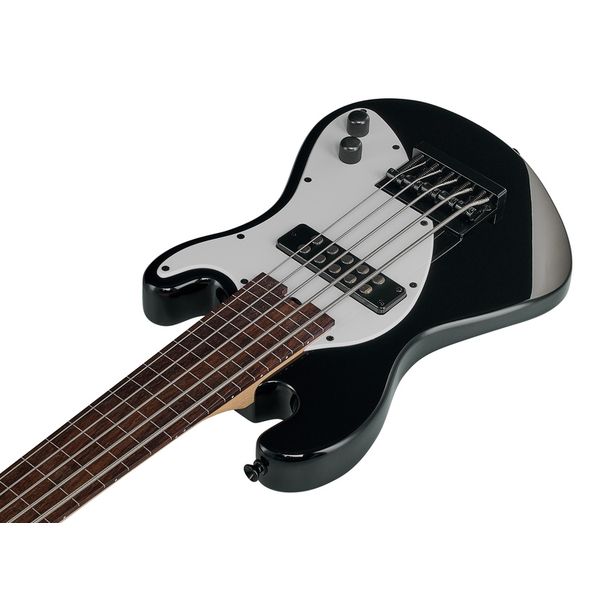
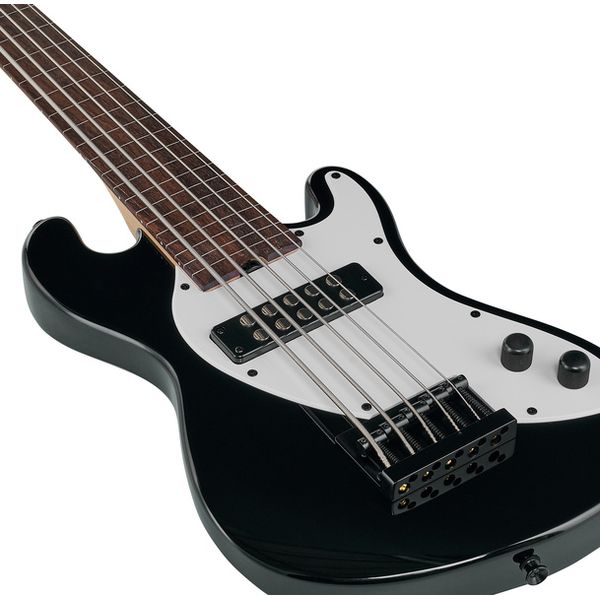
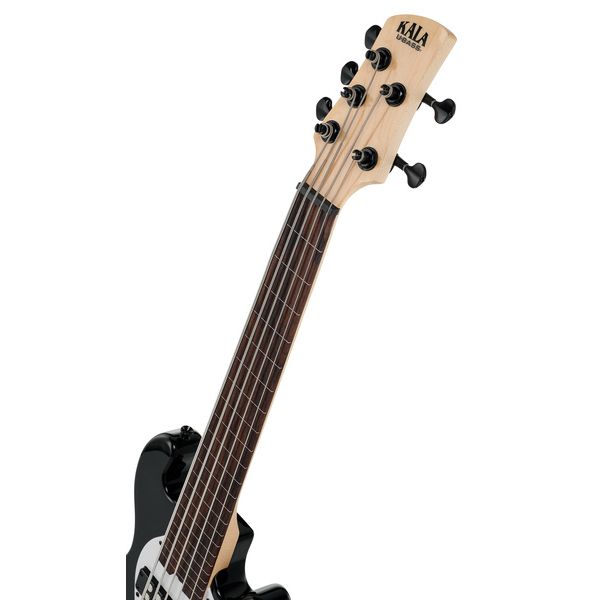
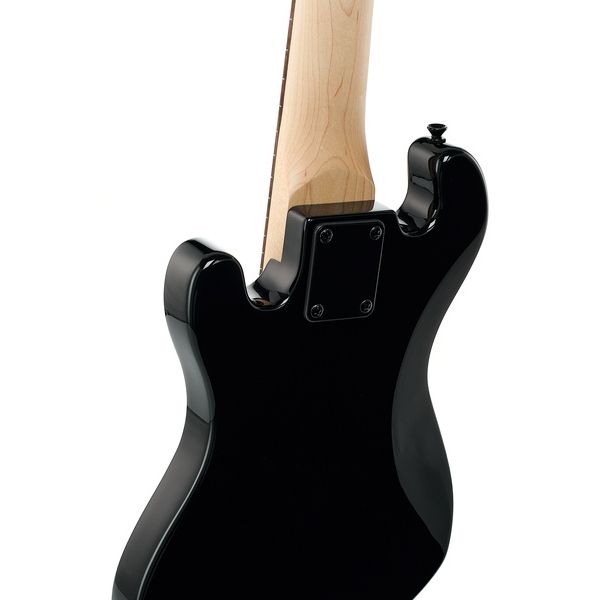


5-String Fretless Electric Bass Ukulele
- Fretless model with lines
- Body: Okoume
- Neck: Bolt-on maple
- Fingerboard: Laurel
- Scale: 597 mm (23.5")
- Total length: 845 mm
- Pickup: 1 Kala humbucker
- Volume and tone controls
- White pickguard
- Enclosed bass machine heads with 1:18 gear ratio
- Black hardware
- Original strings: Kala Round Wound
- Colour: Jet Black, high-gloss
- Includes gig bag
-
Available since June 2024
-
Item number 584888
-
Sales Unit 1 piece(s)
-
Body Okoume
-
Top None
-
Frets 0
-
Neck Maple
-
Pickup Yes
Ukulele meets electric bass
)
Ukuleles have taken the world by storm in recent years, making them a staple of today's music scene. Much of their popularity can be accredited to the US company Kala, which offers by far the largest range of models. With the U-Bass series, Kala introduced the concept of the ukulele bass, and the U-Bass Solid Body, presented here in its 5-string fretless version with a low B string, represents the next step in this development. Combining the charm of a ukulele with the power of an electric bass, this model features a solid body and humbucking pickup to minimise onerous feedback, while maintaining the classic appearance of an electric bass. The ukulele's compact dimensions and smooth playability unite to create a unique instrument that delivers the best of both worlds.
)
Solid body and humbucker
The Kala U-Bass Solid Body 5-String Fretless measures a total of 84.5cm in length, with a scale length (vibrating string length) of approximately 60cm. The body, crafted from okoume, is paired with a classic maple neck and laurel fingerboard. A special instrument requires special strings, which in this case come in the form of custom roundwounds developed specifically for this model by Kala. These are picked up by a humbucker, and the passive electronics featured on the Kala U-Bass Solid Body include a volume and tone control. The black bridge, machine heads, and potentiometer knobs combined with a high-gloss Jet Black finish and a white pickguard create a timeless look that spans all genres. The Kala U-Bass Solid Body 5-String also comes with a matching gig bag.
)
)
Low end for on the go
The Kala U-Bass Solid Body 5-String Fretless is a special and unique addition to any instrument collection and, thanks to its affordable price tag, makes a viable option as a second or third bass. A major advantage of ukuleles – and one that is also shared by the U-Bass Solid Body – is their extreme portability. The compact and lightweight design of the Kala U-Bass Solid Body make it effortlessly portable, allowing it to be easily taken on holiday, on a business trip, or even just as far as the back garden. The similar look and feel of the U-Bass Solid Body to an electric bass also make for an easy transition, in particular the roundwound strings, which create a playing experience that is reminiscent of an electric bass. The compact size of the U-Bass Solid Body 5-String Fretless will also prove inviting to guitarists looking for a smooth point of entry into the lower end of the tonal spectrum.
)
About Kala
Kala Brand Music Co. is perhaps the world's most recognised ukulele manufacturer. The company was founded by the American Mike Upton in the early 2000s, in his hometown of Petaluma, California. Drawing on his earlier years of living and working in Hawaii, where he developed a deep affinity for the ukulele, Mike's mission was always to create high-quality, yet affordable ukuleles under the Kala brand that would make this instrument accessible to musicians of all backgrounds. This philosophy quickly paid dividends, leading to the rapid growth of Kala's instrument portfolio. The quality and variety of Kala's ukuleles have attracted the attention of many acclaimed artists, including Bakithi Kumalo, Abraham Laboriel Sr., Hutch Hutchinson, Twenty One Pilots, Walk off the Earth, and Eddie Vedder, all of whom are among the proud players of Kala instruments today.
Caution: Not a toy!
Although its compact size may suggest otherwise, the Kala U-Bass Solid Body is far from being a toy. The special strings featured on the instrument are strong yet highly elastic, allowing buttery-smooth playability, while delivering an impressive bass sound with a powerful low end. The solid body construction and humbucker also eliminate the onerous feedback issues commonly encountered with acoustic instruments, making the Kala U-Bass Solid Body a powerful contender among the usual fretless classics for use in studio and home recordings. In terms of performance, the excellent sound and unique look of the Kala U-Bass Solid Body will make a lasting impact wherever the instrument is played – be it on a stage or a street corner.