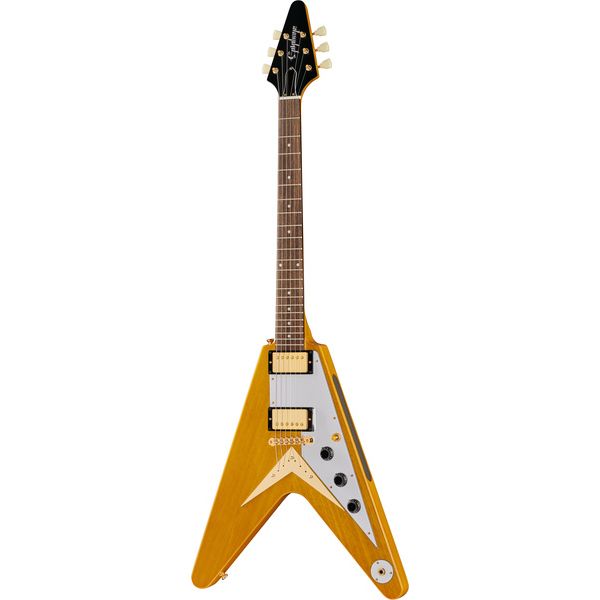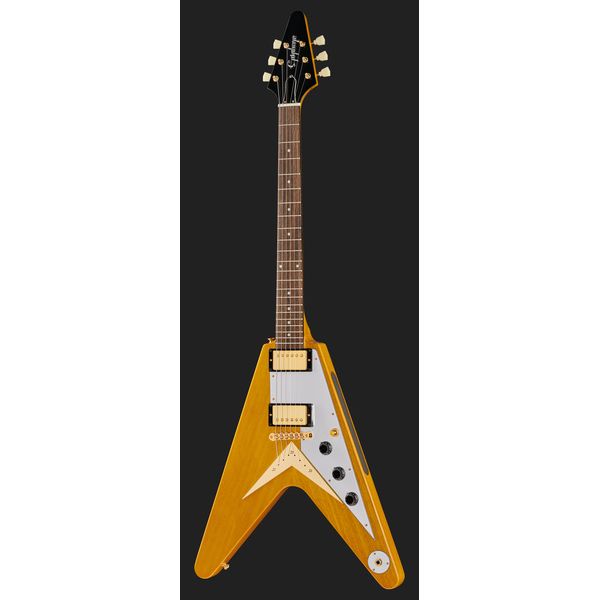
Epiphone Flying V Korina Aged Natural
Electric Guitar
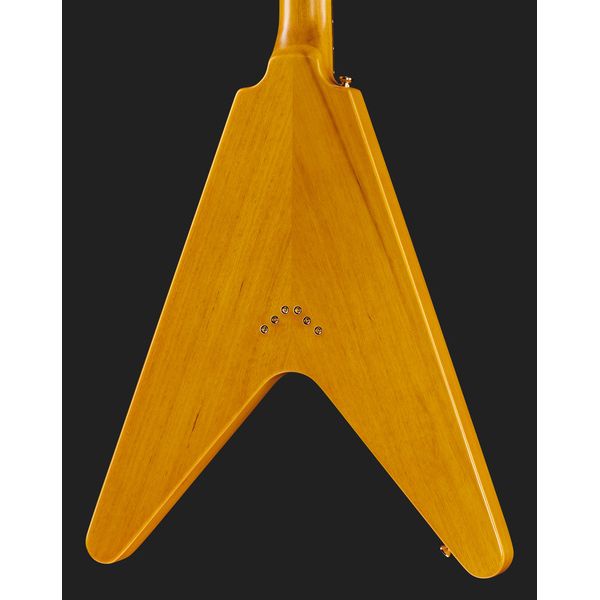
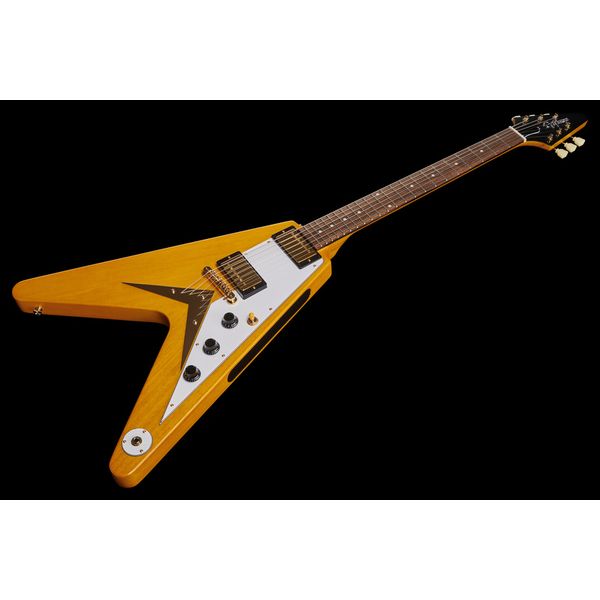
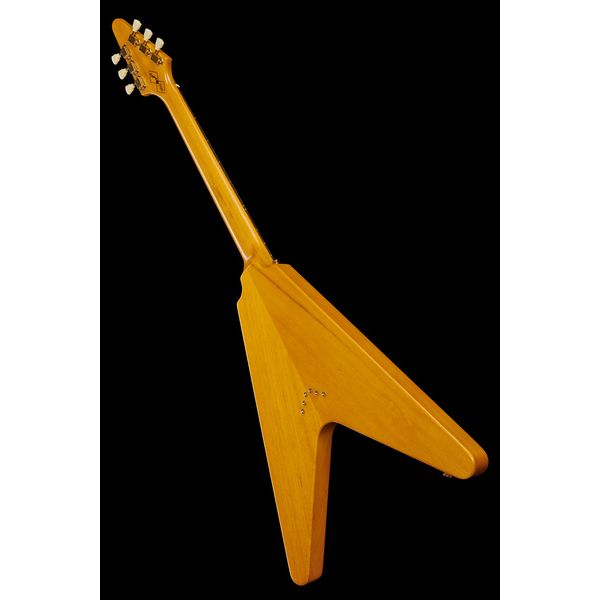
- Body: Korina
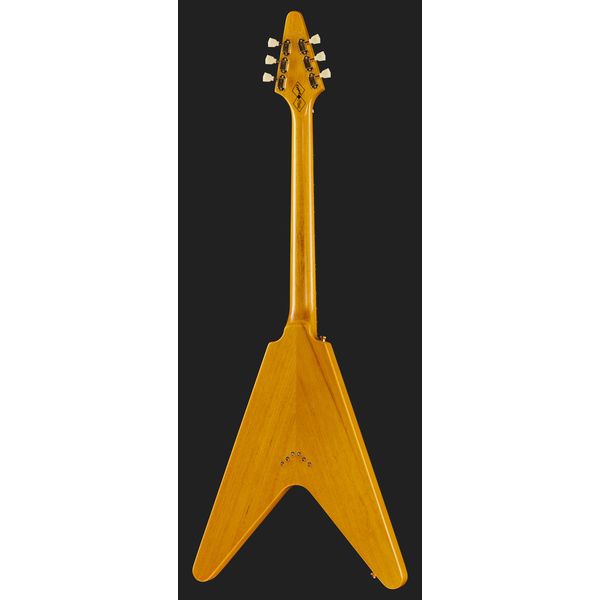
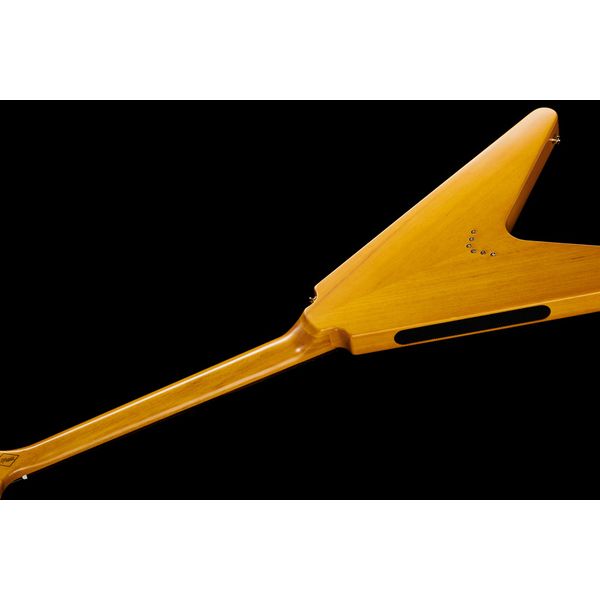
- Neck: Korina
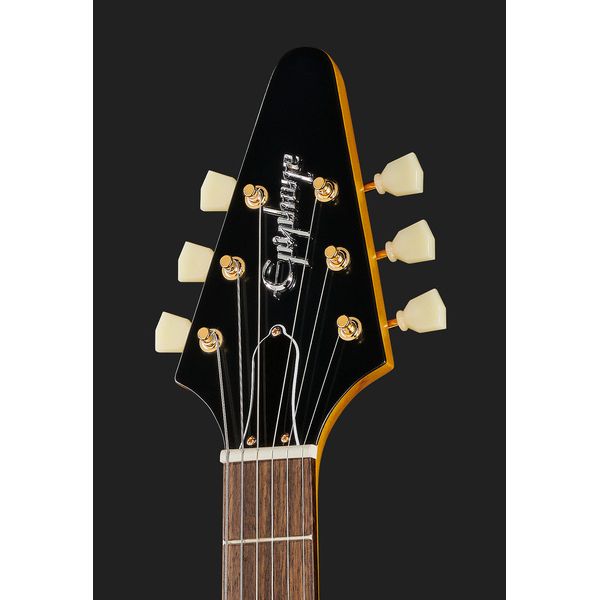
- Fingerboard: Indian Laurel
- White dot fretboard inlays
- Neck profile: 1958 Flying V
- Scale length: 629 mm (24.75")
- Nut width: 43 mm (1.693")
- GraphTech nut
- 22 frets
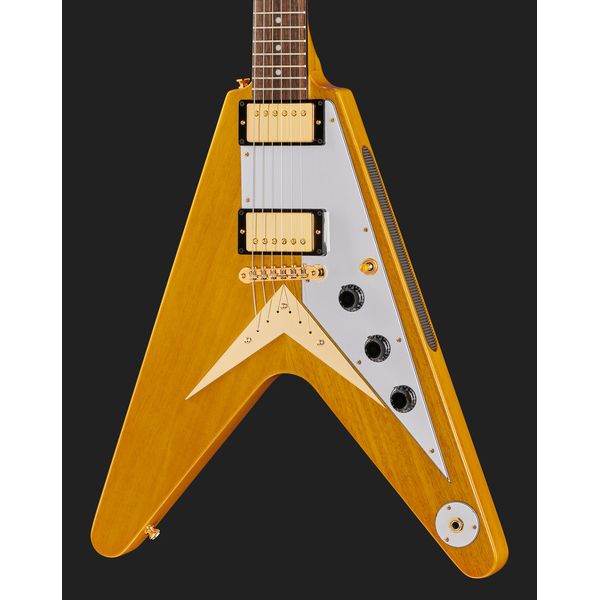
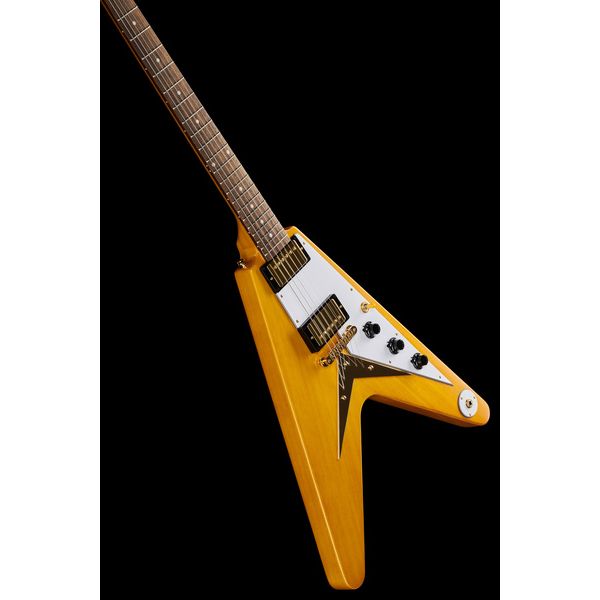
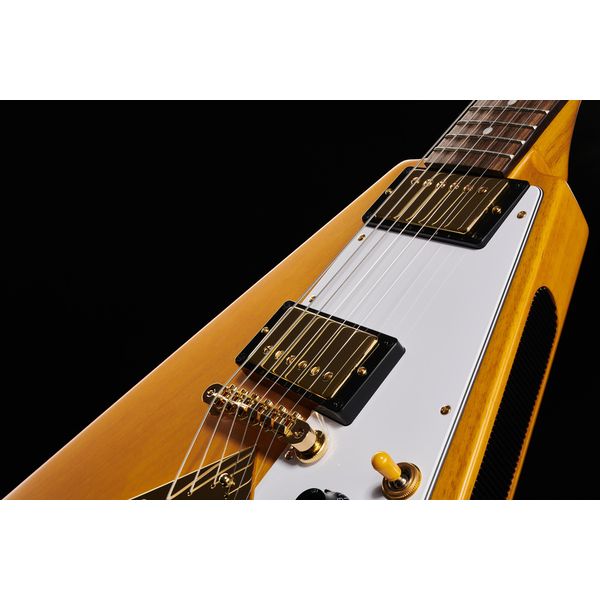
- Pickups: Gibson Burstbucker 2 (neck) and Gibson Burstbucker 3 (bridge) humbuckers
- 2 volume controls and 1 master tone control, both CTS potentiometer
- Mallory capacitor
- 3-way switch
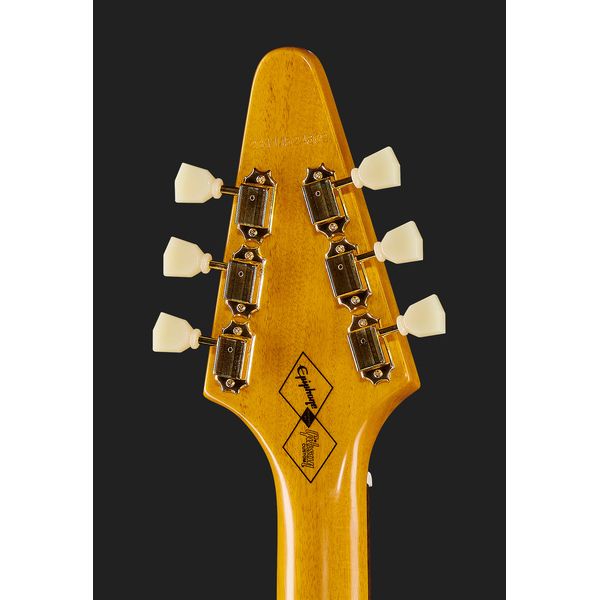
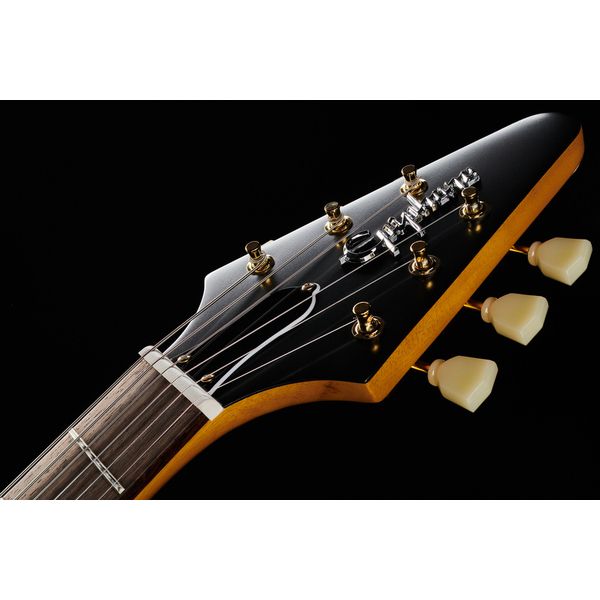
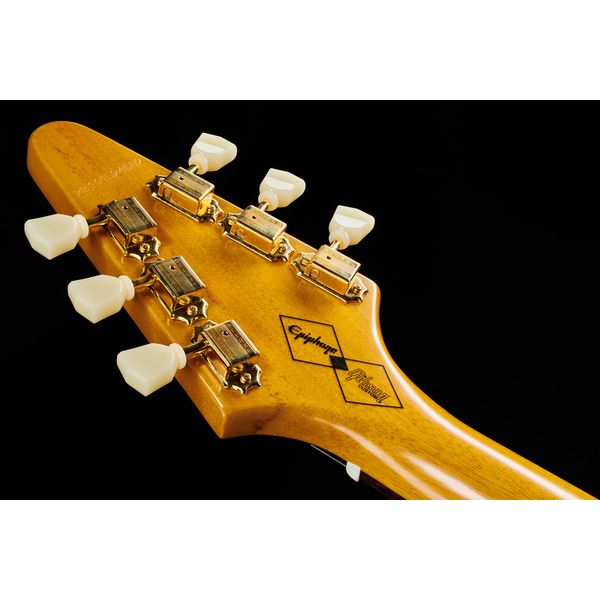
- Epiphone Deluxe tuners
- ABR-1 bridge with gold-plated brass Flying V tailpiece
- Gold-plated hardware
- Colour: Aged Natural
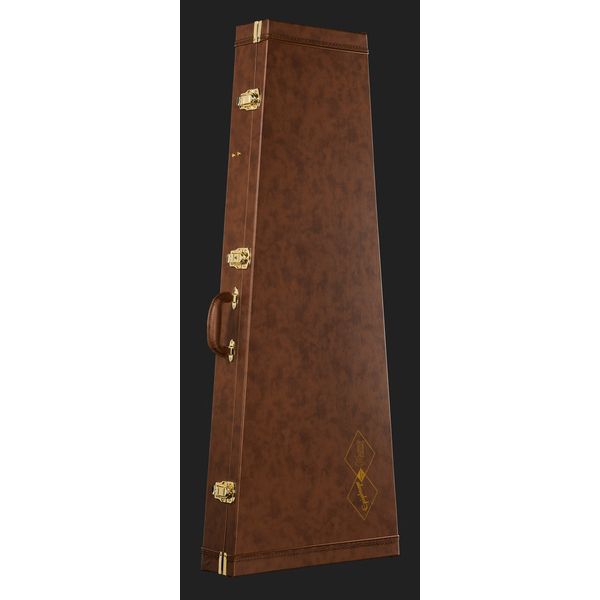
- Incl. case
-
Available since February 2023
-
Item number 549147
-
Sales Unit 1 piece(s)
-
Shape Flying V
-
Colour Aged Natural
-
Body Korina
-
Top None
-
Neck Korina
-
Fretboard Indian Laurel
-
Frets 22
-
Scale 629 mm
-
Pickups HH
-
Active Pickups No
-
Tremolo None
-
Including Case Yes
-
Incl. Bag No
A perfect replica of the original Flying V
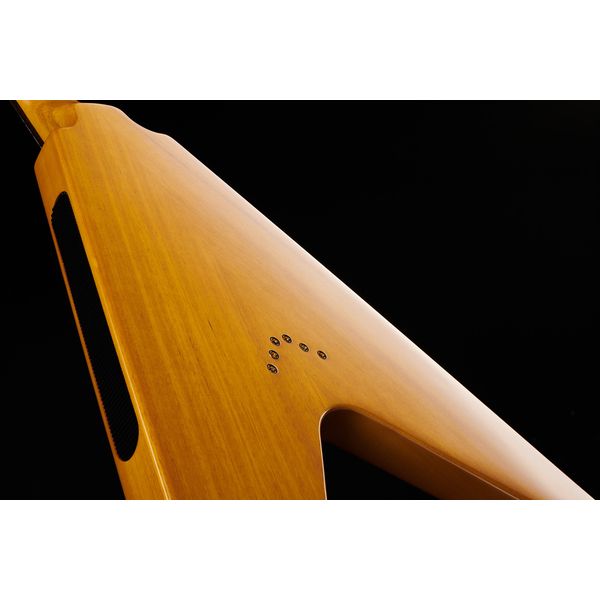
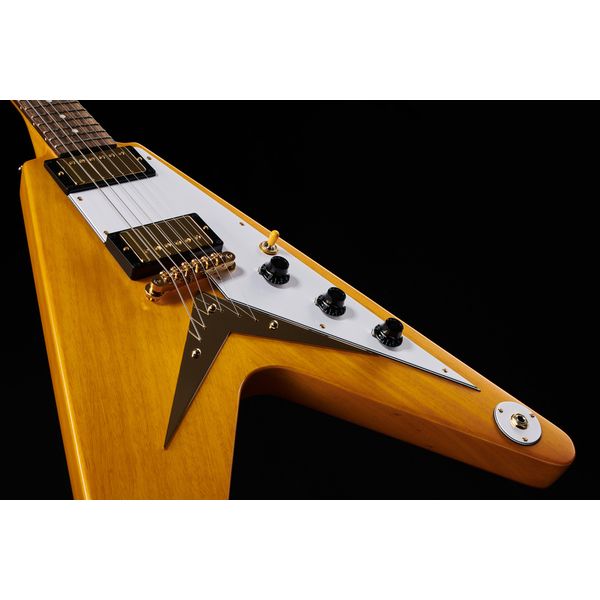
Even more than 65 years after its creation, the Gibson Flying V is still almost synonymous with Hard Rock and Metal - more perhaps than any other single guitar - and Epiphone's Flying V Korina Aged Natural is closer to the original Gibson from 1958 than any other Epiphone replica. Besides its genre-defining form, it also features a set neck, Gibson burstbuckers, the classic Gibson headstock, a strings-through-body tailpiece and Tune-o-Matic bridge, and gold-plated hardware. Perhaps most interestingly, even the wood used here is exactly the kind first used by Gibson in its late '50s Explorer and Flying V models: Korina. With all this tradition, there's still plenty of space for some innovative updates, such as the GraphTech nut and the polymer strip under the V's lower wing, which makes it easy to play the guitar sitting down.
Looks & sounds
Although the V shape is now most frequently associated with Hard Rock and Heavy Metal, the Epiphone Flying V is at least just as well-suited to more gentle genres like Rock and Blues, thanks to its Gibson burstbucker pickups. The humbucker in the bridge position delivers clean and crunch tones with plenty of bite – more than enough for the sound to hold its own in modern Metal genres too, if a little distortion is added. The neck pickup shines with its typically warm sound, which isn't lost even if the distortion starts to get really heavy. Each pickup has a dedicated volume pot, with a master tone control and a three-way toggle switch to allow complete flexibility. A combination of looks this classic and yet this unusual doesn't come around everyday, and certainly not with this level of playability and with such a high-quality sound.
Class is permanent
The flying V design is still a guaranteed eyecatcher – even today, 65 years after its first appearance, it still seems modern and relevant. Along with its sister model, the Explorer, it's probably the only electric guitar that will seem authentic at Blues sessions and a Death Metal concerts alike. So whether it's a club jam or the main stage at Wacken, it'll be all eyes on me with the Epiphone Flying V Korina Aged Natural. But this isn't just an instrument to look at: Its build quality and hardware are good enough even for ambitious pros, or for hobbyists who are trying to get there – and who need a good balance of practical playability and affordable optics to help them on their way. At this price, it's only natural that the Korina Flying V comes with a deluxe Epiphone×Gibson Custom hardcase.
About Epiphone
Today, Epiphone is perhaps best known as the Asian budget offshoot of Gibson. Yet both companies were once independent, equal, and also bitter rivals. The roots of Epiphone go back to the 1870s and to Anastasios Stathopoulo, a Greek instrument maker, who emigrated to America in 1903 with his son Epaminondas ("Epi" for short). Epi changed the name of the firm to the "Epiphone Banjo Company" after taking over the family business in 1928. During this year, Epiphone also began to manufacture guitars, which rapidly came to dominate their sales. In 1957, Epiphone was taken over by C.M.I., which already included Gibson, but it continued as a separate brand until 1970, when manufacturing was outsourced to Asia. Well-known Epiphone models include the Casino, played by the Beatles, and the Sheraton, John Lee Hooker's instrument of choice.
Let's put on a show!
The Epiphone Flying V Korina Aged Natural is a unique combination of an extravagant stage showpiece and a beautiful historical instrument. With its neck profile mimicking that of the 1958 Gibson, the instantly recognisable tailpiece with its decorative metal plate, the stunning natural finish on the Korina body, and the genuine Gibson burstbuckers, there are very few replicas that come this close to the original. One thing's for certain: The Flying V looked good in 1958, it looks great today, and it will still look good 60 years from now. But on top of that, it's also quite simply an excellent guitar, with both the sound and playability to match its eyecatching appearance.
In the spotlight
Korina wood
Explorer and Flying V models are where guitar aficionados are most likely to come across korina – the wood is rarely seen outside these designs. This West African hardwood, sometimes known as limba, has a grain that's similar to mahogany, but it's noticeably lighter, with a natural golden hue. Tonally, korina has a strong character similar to that of mahogany, though it's often described as a touch more open and resonant – differences that are subtle but evident. Because Korina is pricier and harder to source than mahogany, it's rarely used today – it tends to appear almost exclusively in reissue versions of the classics. Its use in the original Gibson models, with the now-legendary shapes that were so radical for the late '50s, was also the first time Korina was ever used in guitar building – a choice intended to underline the groundbreaking look of these extraordinary instruments.