


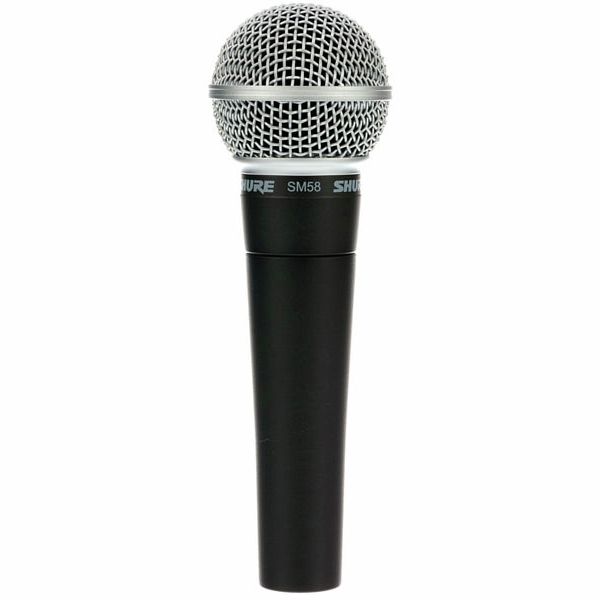
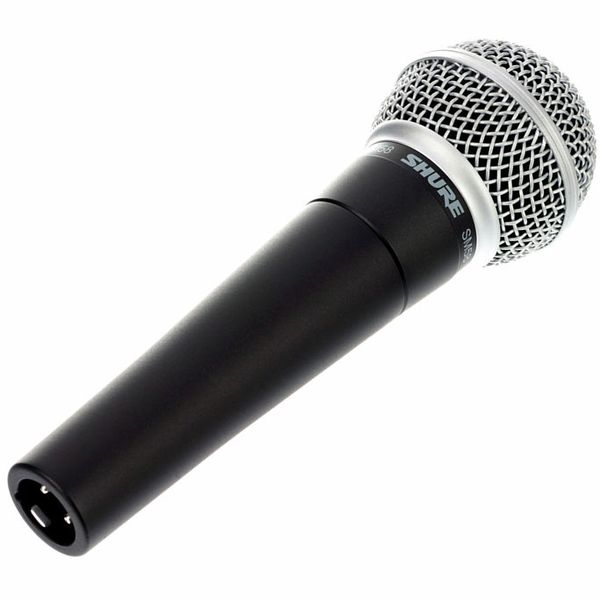
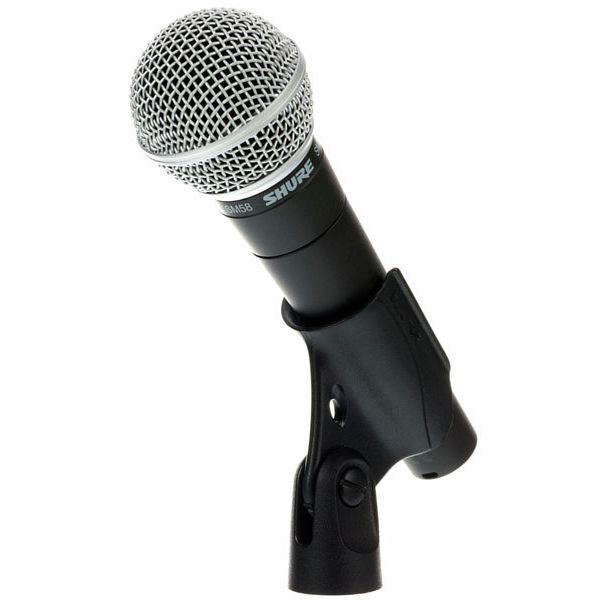
Shure SM58 LC





Get 90 days of unlimited music lessons!
Learn from world-class instructors with an exclusive offer from Thomann and Musora (Drumeo, Pianote, Guitareo, Singeo, and PlayBass).
Make this purchase today and you’ll receive 90 days of FREE lessons from Musora — the ultimate online music lessons experience. You’ll be emailed an access code once your order has shipped.
Here’s what you’ll get…
One membership, all instruments: Your Musora membership includes unlimited access to guitar, bass, piano, drumming, and singing lessons.
Step-by-step instruction: Reach your goals and learn from teachers who are GRAMMY-winners, touring professionals, and lifetime educators.
Personalized support: Get help from an actual musician when you need it.
Note-perfect sheet music: Musora’s massive Song Library features professional transcriptions for your favorite songs.
Dynamic Vocal Microphone with Cardioid Directivity
- Optimised frequency response with brightened mids and bass cuts
- Integrated, effective wind and pop filter
- Shock absorber system
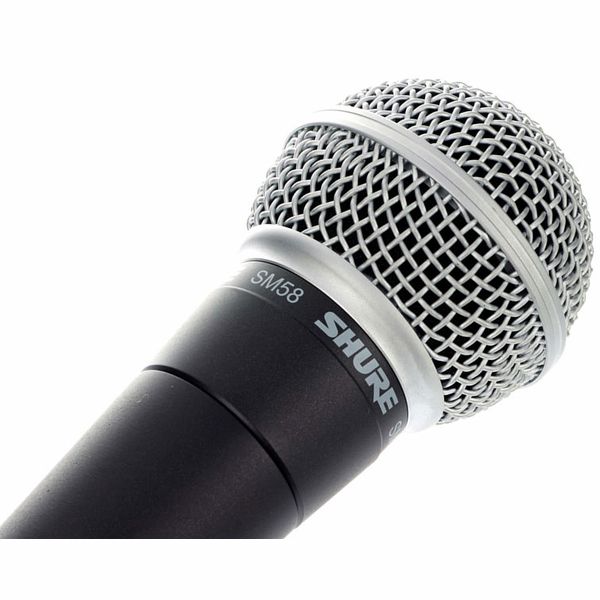
- Robust construction, sturdy steel mesh grille
- Directivity: Cardioid
- Frequency range: 50 - 15,000 Hz
- Output impedance: 300 Ohm
- Sensitivity: -56 dBV / Pa (1.85 mV)
- Dimensions: 23 x 162 x 51 mm
- Weight: 298 g
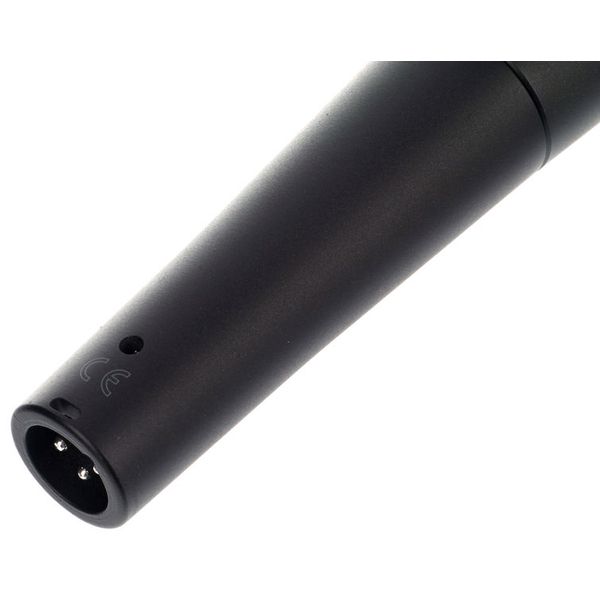
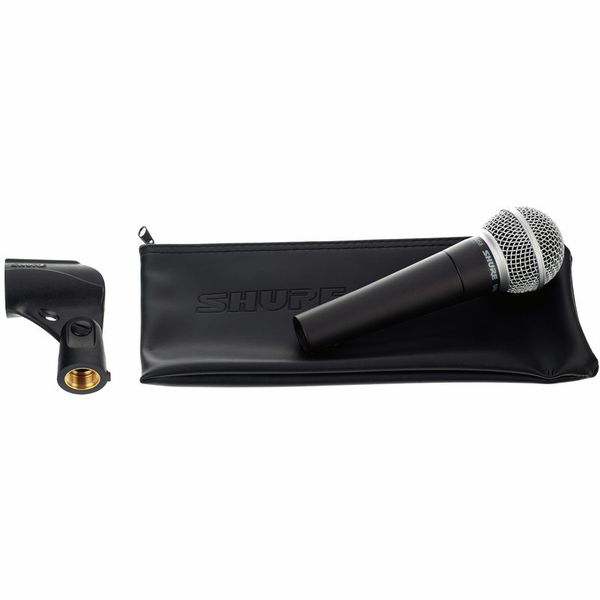
- Includes microphone bag, microphone clamp and 3/8" reducing thread
- Suitable windshield: Article no. 135783, suitable replacement mesh grille: Article no. 183069 (both not included)
-
Item number 105767
-
Sales Unit 1 piece(s)
-
On/Off Switch No
-
Polar Pattern Cardioid
-
Colour Black
-
Cable no
-
Diameter 51 mm
-
Length 162 mm
-
Weight 298 g
-
Frequenzy Range from 50 Hz
-
Frequenzy Range to 15 kHz
-
Clamp Yes
-
Bag Yes
-
Windscreen optional available 135783
-


The indestructible legend
)
The SM58 is a legend among dynamic vocal microphones. Introduced in 1966, the SM58 is still an industry standard today, and it is a regular first choice amongst both music professionals and amateurs worldwide thanks to its reliably clear sound and robust construction. The Shure SM58 is available in two versions: The standard LC as well as the S version, which features an on/off switch.

Adaptable and great sounding
When it comes to speech or vocals, the SM58's matched frequency response ensures a clear and punchy sound, with midrange presence boost and a slight bass roll-off, improving intelligibility and transparency. Its cardioid polar pattern focuses mainly on its front axis and largely suppresses unwanted sound sources from the sides and rear, thus providing excellent protection against background noise and feedback in the process. What’s more, the integrated wind guard and pop filter greatly reduce plosive and wind interference.
)
The mic for everyone
Whether Classical, Hip-Hop, Country, or Metal – the Shure SM58 has proven itself many times over in each field throughout the years. Professionals and discerning amateurs alike rely on this affordable microphone to bring out the best in their voices – be it at a family-and-friends performance in the privacy of home or a concert at Wembley. The frequency response of the SM58 is especially well suited to the human voice and often needs very little treatment at the mixing desk.
)
About Shure
The American company Shure began developing microphones during the early 1930s and is one of the pioneers of the audio engineering sector. Models such as the 55 Unidyne - known to many as the "Elvis microphone" - and the SM57 and SM58 which appeared in the mid-1960s are still ubiquitous in live sound production today. They enjoy cult status among musicians and technicians alike. In the 1990s, Shure introduced the first wireless microphones and in-ear monitoring systems and became a market leader in this field. In addition to microphones, Shure offers a wide range of earphones and headphones for studio and live use, as well as various accessories.
Road-tested and near indestructible
The Shure SM58 can be relied upon for anything, even more so when the going gets tough. Its rugged construction, steel mesh grille, and enamelled metal body effectively protect it from the rough-and-tumble of everyday stage use – and the integrated pneumatic shock absorber system greatly reduces the influence of knocks, handling noises, and vibrations.
In the spotlight
Cardioid polar pattern
Microphones are more or less sensitive to sounds arriving from different angles. This directional sensitivity is an important characteristic of the microphone and falls within a set category of polar patterns. Different polar patterns are adapted to different recording or live sources. Singers naturally prefer microphones that focus on their voice and suppress background noise as much as possible. Cardioid microphones, which derive their name from their heart-shaped polar pattern and by definition favour sound sources coming from the front, are ideal for this purpose – especially since they also suppress unwanted noises coming from the microphones’ sides or rear, thus limiting feedback issues in the process.
)
