


Shure Nexadyne 6

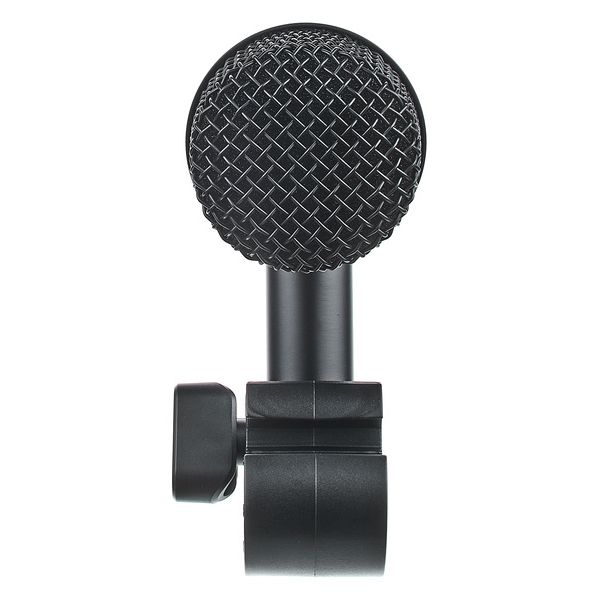
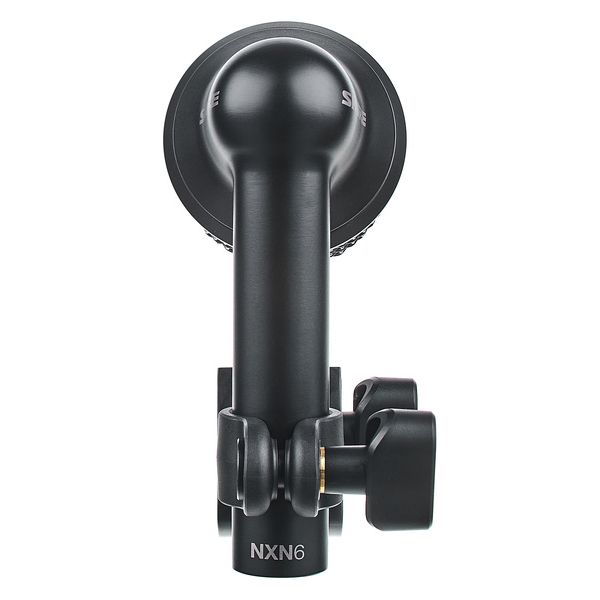
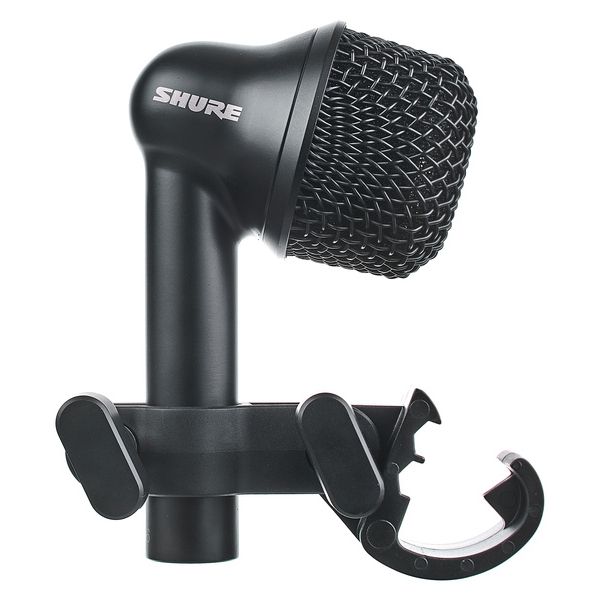
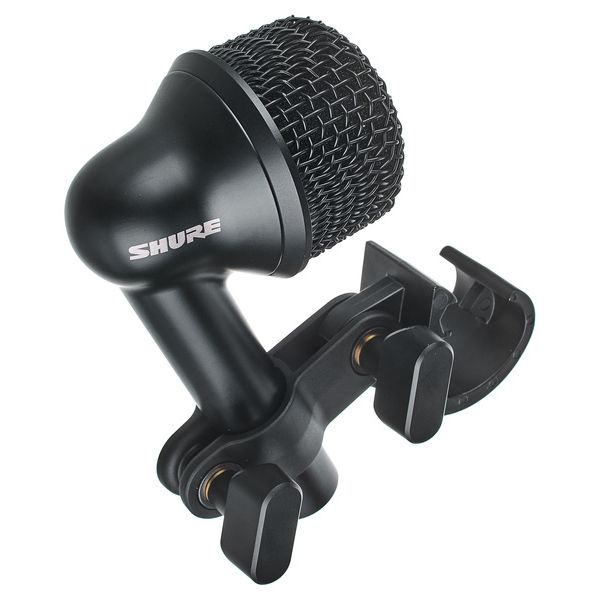
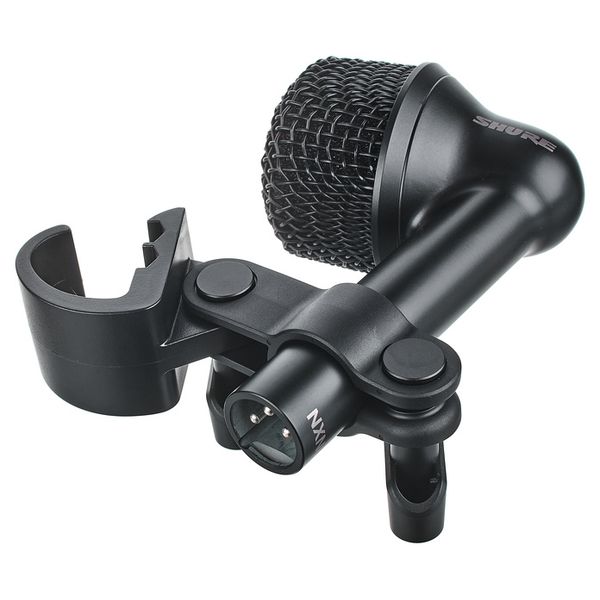
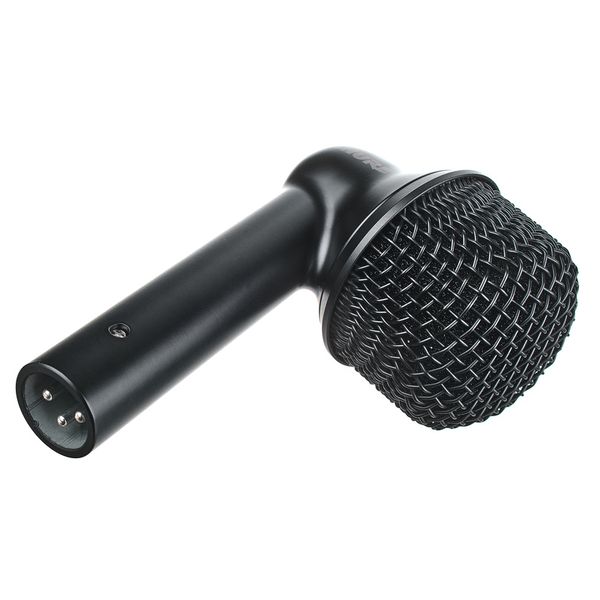
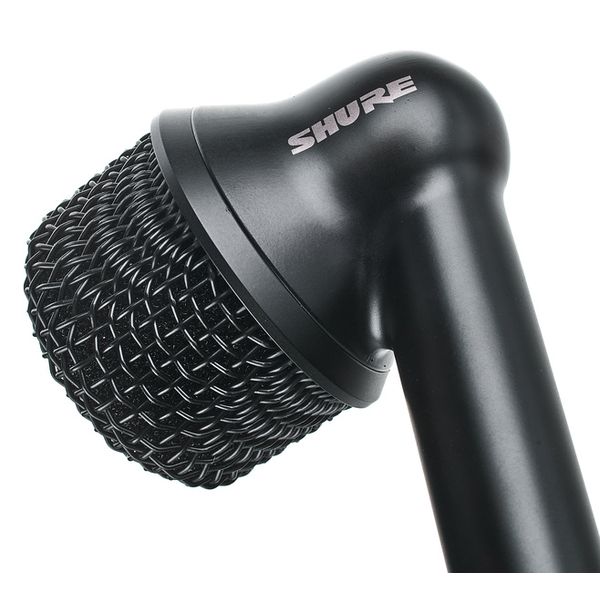
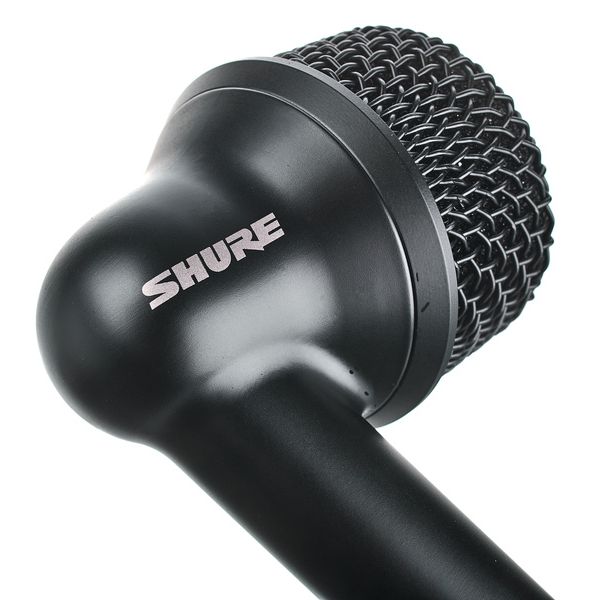


Dynamic Tom/Snare Microphone
- Polar pattern: Supercardioid
- Frequency range: 50 - 16,000 Hz
- Sensitivity: -61.0 dBV/Pa / 0.9 mV/Pa
- Shure Revonic dual-engine transducer technology
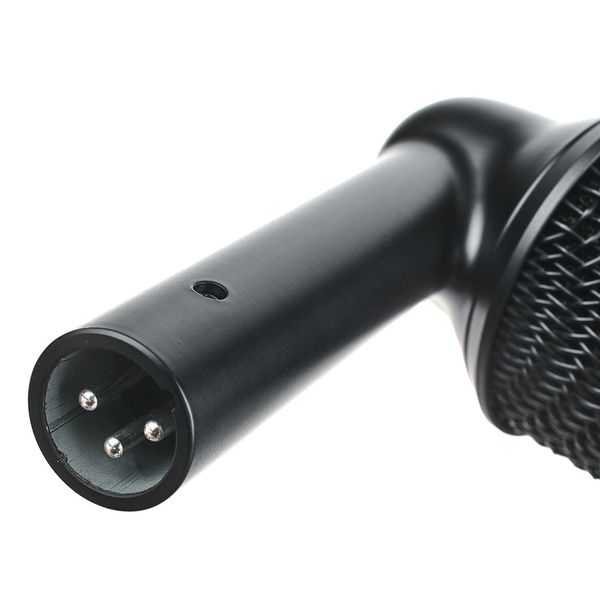
- XLR 3-pin connection
- Weight: 245 g
- Colour: Black
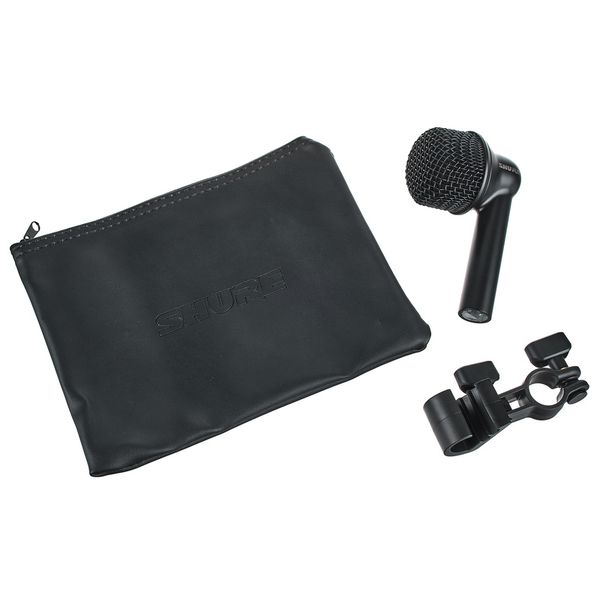
- Includes travel bag and clip mount
-
Available since February 2025
-
Item number 610031
-
Sales Unit 1 piece(s)
-
Clip-On Microphone Yes
-
Dynamic Microphone Yes
-
Condenser Microphone No
-
Gooseneck No
-
Incl. Clip On Mount Yes
Two transducers, every single hit
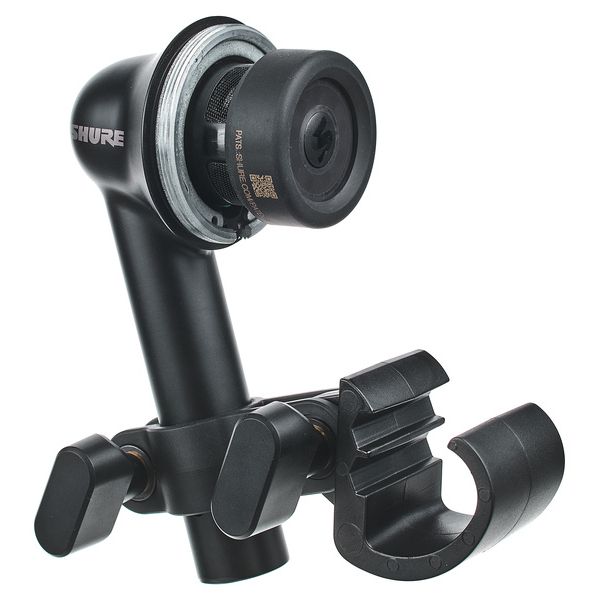
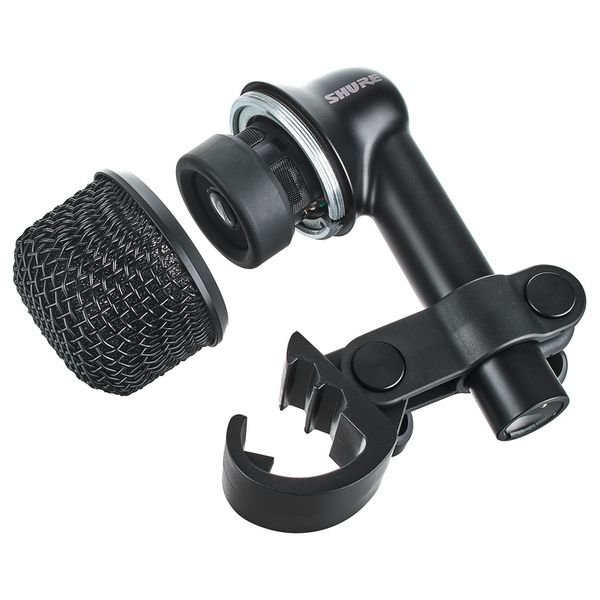
The Shure Nexadyne 6 is a supercardioid dynamic microphone specifically designed for capturing snare drums, toms, and wider percussion. Featuring Shure's patented Revonic Dual-Engine transducer technology, which employs two precisely matched capsules working in tandem – one facing the source for clarity and isolation, the other wired out of phase to cancel mechanical noise and handling interference – it captures every hit with authority and detail, with little to no additional signal processing required. Its fixed-angle design and compact, low-profile body allow it to be positioned discreetly anywhere on the kit, while the included A6D vibration-resistant drum mount secures it directly to the hoop of any snare or tom.
)
An exact science
The Shure Nexadyne 6 delivers a balanced, detailed sound with clear highs, defined mids, and a powerful low end across a frequency range of 50Hz–16kHz. Its presence peak – wider and smoother than on the Nexadyne 5 – adds definition and attack without harshness, ensuring snare transients and tom hits cut through a dense mix. The Revonic dual-transducer system minimises mechanical noise, unwanted resonance, and cymbal spill through phase cancellation – particularly valuable when close-miking individual drums within a kit. The mic's consistent supercardioid polar pattern further suppresses off-axis sources, delivering a clean, focused signal that reduces the need for additional processing at the desk.
)
The expert's mic
The Nexadyne 6 is aimed at live sound and studio engineers, drum technicians, and drummers themselves – anyone who needs a reliable and consistent snare and tom mic that delivers repeatable results from show to show with minimal remedial processing. Its sensitivity of –61dBV/Pa is well suited to the high sound pressure levels of close-miked drums, ensuring transients and attack translate naturally without overloading a preamp or the mix. Its stable tonal balance across different placement angles gives engineers and drum techs the confidence to adjust positioning without losing consistency – a practical advantage during fast stage turnarounds or back-to-back studio sessions.
)
About Shure
The American company Shure began developing microphones during the early 1930s and is one of the pioneers of the audio engineering sector. Models such as the 55 Unidyne – known to many as the "Elvis microphone" – and the SM57 and SM58 which appeared in the mid-1960s are still ubiquitous in live sound production today. They enjoy cult status among musicians and technicians alike. In the 1990s, Shure introduced the first wireless microphones and in-ear monitoring systems and became a market leader in this field. In addition to microphones, Shure offers a wide range of earphones and headphones for studio and live use, as well as various accessories.
The right kit for the drum kit
The Nexadyne 6's A6D vibration-resistant drum mount attaches directly to the hoops of snare drums and toms, positioning and securing the mic without the need for a stand – particularly useful where space around the kit is limited. Two locking thumbscrews allow the mic to slide, rotate, and tilt for accurate placement, while a standard mic clip is also included for stand-mounted use. Beyond the drum kit, the Nexadyne 6's compact design and wide frequency response make it a capable choice for hand percussion instruments such as congas and cajón. Its robust construction and included zipper pouch make it equally well suited to the demands of touring. From festival stages and club rigs to professional recording studios, the Nexadyne 6 delivers consistent, reliable performance wherever it is deployed.
In the spotlight
Revonic Dual‑Engine transducer technology
Shure's Revonic Dual‑Engine transducer technology combines two precisely matched components that work together to deliver optimised sound reproduction. Whereas conventional microphones often rely on a single capsule, the Dual‑Engine approach enables a more targeted processing of acoustic signals, while effectively minimising mechanical interference and handling noise. The two transducers are configured in parellel at source to ensure an exact match, resulting in a natural, consistent sound that reduces the need for subsequent signal processing – particularly in live environments.
)
This is what customers who viewed this product bought

Accessories & matching items



Compare options
-
Shure Microphones for Snare Drum at a glance
-
Display Microphones for Snare Drum from £ 180 - £ 220
-
Go to product group Microphones for Toms
-
Go to product group Microphones for Snare Drum
-
Go to product group Drum Microphones
-
Go to product group Instrument Microphones
-
Go to product group Microphones
-
Show manufacturer details for Shure
-
Shure Microphones at a glance